26.03.2026
The University of Salford held a special event to celebrate the 10-year partnership between the Morson Group and the university, shining a spotlight on the work we have done together to nurture STEM talent, create opportunity for young people, and support social mobility.
It was a proud moment for us as our Executive Chairman, Ged Mason OBE was joined by education professionals and Gerry Mason engineering scholars to discuss the need to harness the potential that exists everywhere by providing the opportunities needed for it to thrive.
In our latest article, we recap the panel discussions that formed part of this special celebration, hosted in the new GMIoT building and the Morson Maker Space at the university, with thanks to the university and all those involved in making it such a special day – including the scholars who so brilliantly articulated why our STEM Foundation matters so much, and the value it is delivering.
Putting STEM at the heart of social mobility
With a welcome from Vice Chancellor of the University of Salford, Nic Beech, and an introduction from the university’s Chancellor, journalist and broadcaster, Lucy Meacock, the event to mark the 10 year anniversary of our partnership with the University of Salford was much more than a retrospective – it was both a celebration of what’s been achieved to date, and a discussion of what’s needed in the future.
The panel discussions within the new GMIoT Building (Greater Manchester Institute of Technology), were all about getting under the skin of how place-based partnerships can be transformative, not only for the location, but also for people and industries, by unlocking social mobility and developing the talent that businesses need now and in the future.
A focus on place-based collaboration
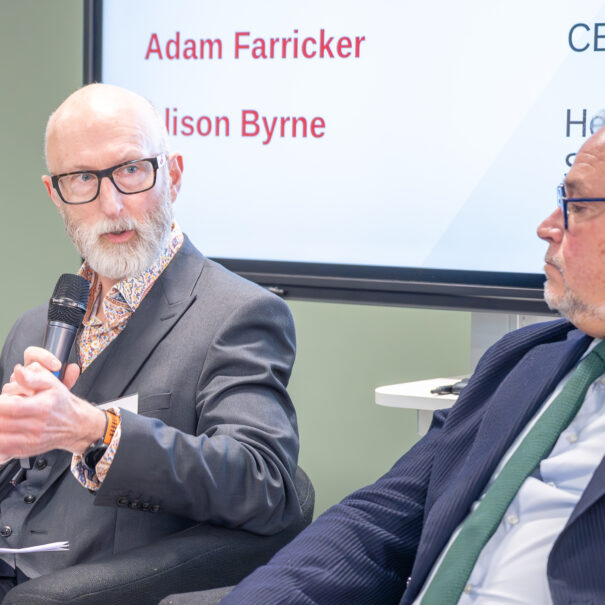
The first panel, chaired by Lucy Meacock, brought together our Executive Chairman, Ged Mason OBE, with Nic Beech, Krysia Kubinski-Johnson from IntoUniversity, Adam Farricker from Empower, and Alison Byrne, Headteacher St Patrick RC High School, where Ged himself went to school.
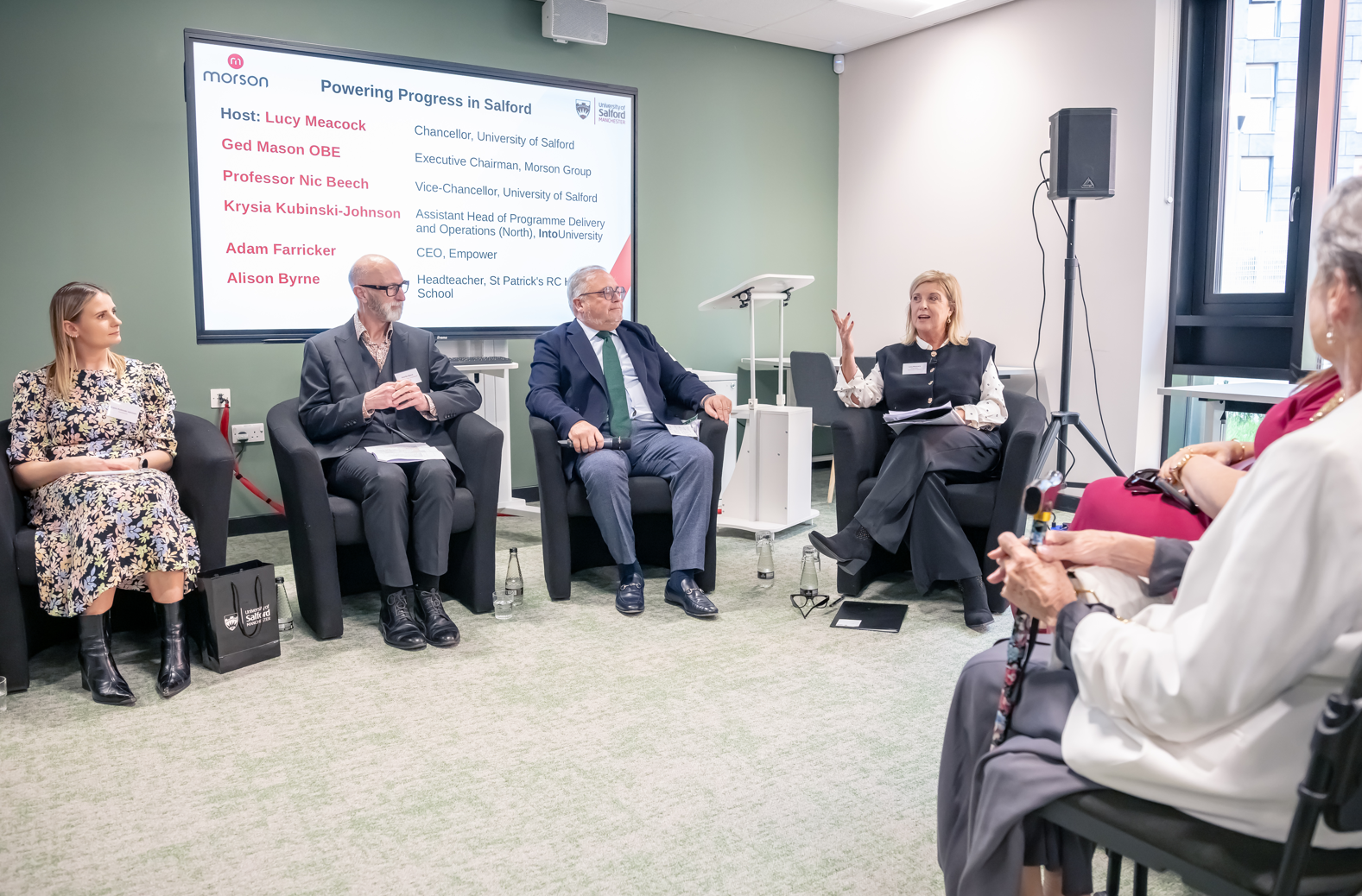
The conversation began with a discussion about the long-term impact of Covid 19 on young people, who are still recovering from the educational and social impacts of the pandemic, as well as their parents, who have become more risk averse and protective from that experience. Against that backdrop students of all ages, along with their parents and education providers are tackling the challenge of benefitting from technology while ensuring young people have the confidence to interact in the real world. As a result, agreed the panel, it is clear that there is a need for real world skills and collaboration.
‘Why do we want to encourage young people into STEM?’ asked Ged, ‘because there is demand from business for those skills.’ He went on to outline the variety of sectors with an urgent need for STEM talent, from data centres to clean energy and nuclear remediation, and stressed the importance of parents encouraging their children to study STEM subjects.
‘The data tells us that children are influenced about career decisions from as young as eight years old,’ Ged commented, which prompted Alison to highlight the importance of programmes such as Primary Engineer and our Morson STEM ambassadors, to encourage children in the classroom to aspire to become engineers. The panel agreed about the value of role models and providing opportunities for young people to find out about potential careers, with Krysia explaining that IntoUniversity focuses on raising the aspirations of children as young as seven, enabling them to see a route to university, regardless of their socio-economic background.
With panelists involved in working with young people from primary school to university levels, the need to support aspiration and achievement was clear. Amidst a conversation highlighting examples of the initiatives that have been brought together by Morson’s partnership with the University of Salford, the message was clear: collaboration is essential.
‘Joining things up and closing the gaps is critical,’ said Ged. ‘More companies need to do more to make that happen.’
There was consensus on the panel about the need to continue to generate opportunities, and the passion of the panelists working with young people was clear. ‘It’s important that young people don’t see deprivation as a barrier,’ Adam concluded, ‘so we need to keep reinforcing resilience and aspiration, but we need those pathways to help them realise their talent too.’
Real world opportunity
In the second panel discussion, delegates were able to experience the outcomes of those pathways and the benefits of creating opportunities for talent to thrive, as current Gerry Mason scholars were joined by a high school student and previous scholar, James Kelly, who is now a Senior Contract and Project Manager at Morson Praxis.
This panel focused on what had inspired the panelists, the value of scholarships and other forms of support during the education journey, and the role of real world experience in progressing young people’s ambitions from aspiration to career.
Current Gerry Mason scholar and third-year engineering student, Serena, confessed that she didn’t know what engineering was when she was younger. She told delegates how a visit to her school from an engineer not only opened her eyes to potential roles, but also enabled her to believe that she could work towards a career in engineering.
The points she raised about engaging with role models who both inspire ambition and encourage self-belief were echoed across the young panel, with a consensus that work experience and placement opportunities are a vital part of enabling young people from all backgrounds to achieve their goals.
It was inspiring stuff, but also a very clear rallying call from all involved to continue building partnerships that can deliver a lasting and meaningful partnership.
Looking to the future
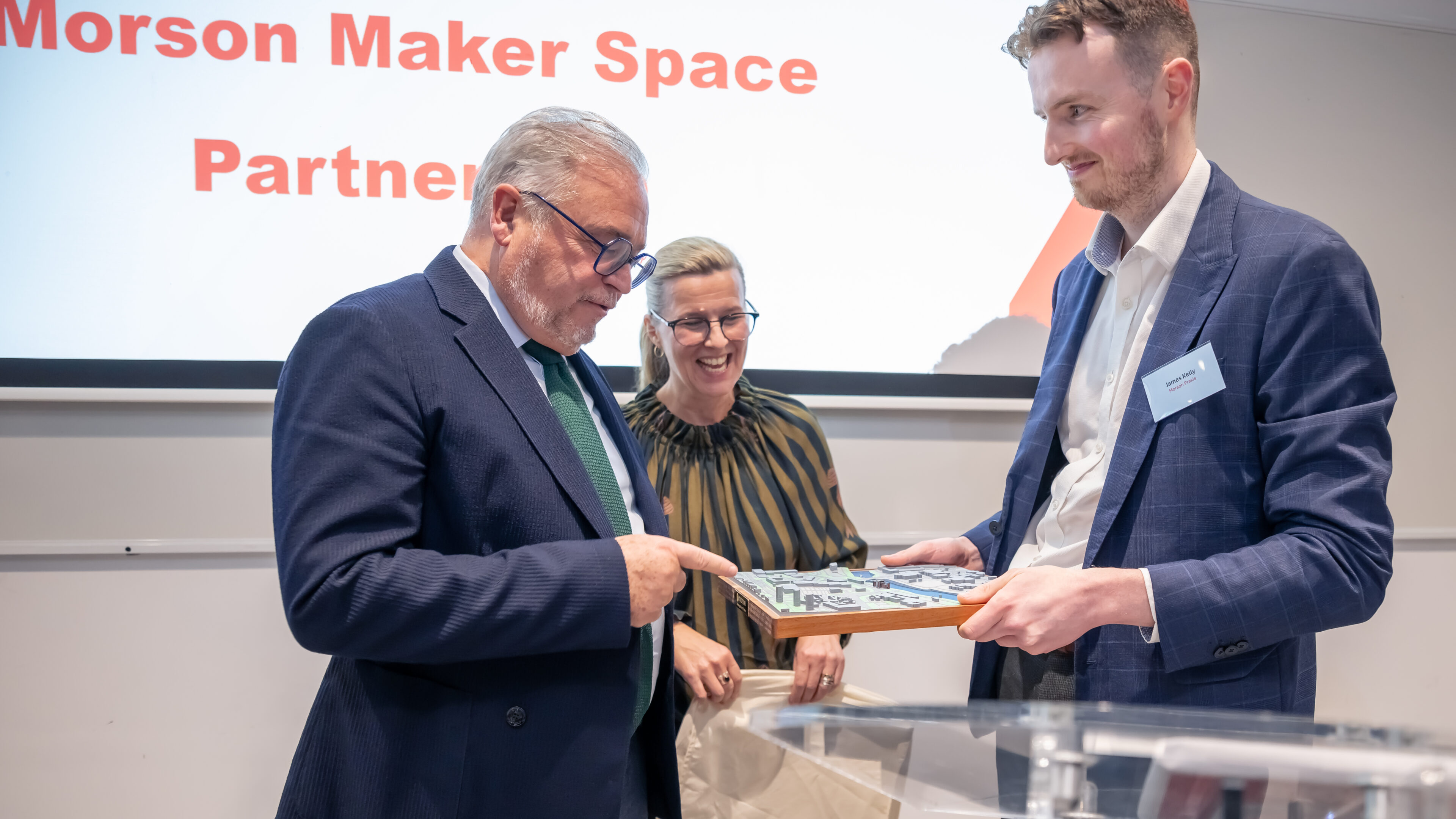
Later the same day, as Ged received a book, commemorating all that has been achieved thanks to the Morson/University of Salford partnership over the past decade, he echoed that message of the work still to be done, looking ahead to another 10-year commitment from our business to continue nurturing talent and building futures in STEM.