Instinct // Intelligence: Inside the human-data partnership powering motorsport
In modern motorsport, data is everywhere. The relationship between data and human feel is more acutely seen in motor racing than perhaps any other sport in the world.
“I’m a translator, for driver to data. You can make a very fast car but if the driver can’t drive it, it’s not much use.”
In modern motorsport, data is everywhere. The relationship between data and human feel is more acutely seen in motor racing than perhaps any other sport in the world. In the technological pinnacle of motorsport, Formula One, teams spend huge amounts of money on sophisticated AI-powered data gathering and predictive analysis software, running millions of simulations in the aim of turning pure data into performance and lap time.
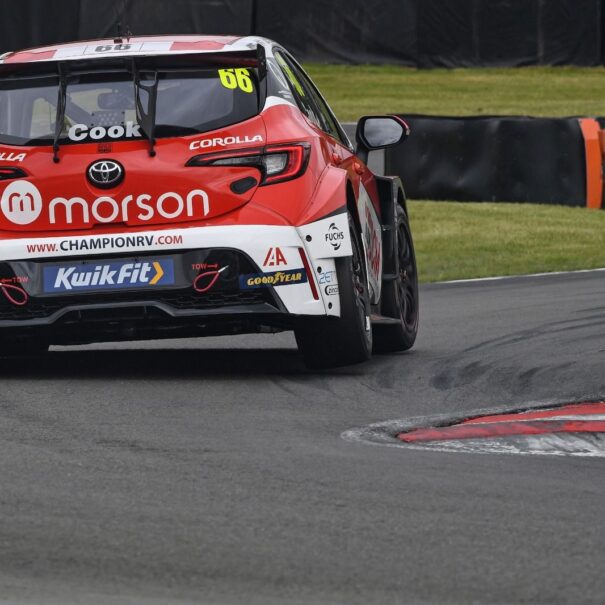
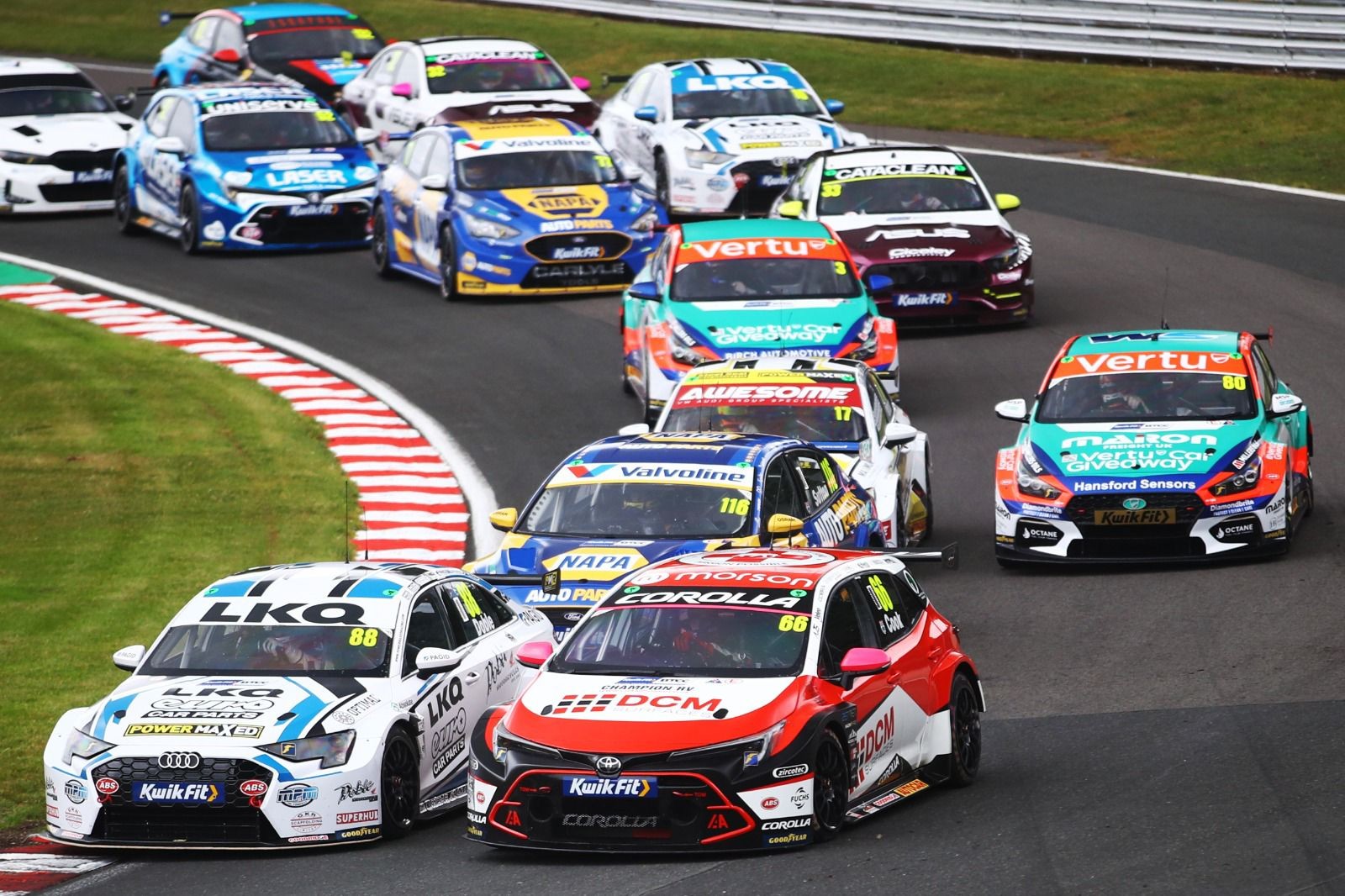
Through British Army Motorsport, Morson is a sponsor of the Speedworks Corolla Racing team. At the Oulton Park race weekend of the British Touring Car Championships, we caught up with one of the drivers, Josh Cook, as well as MB Motorsport Race Engineer Steve Brady to discuss the relationship between engineering data and the humans behind the wheel – and discover why data alone cannot make a winning car.
A racing story in data
Every lap in the British Touring Car Championship (BTCC) generates thousands of data points, from throttle position and brake pressure to steering angle, tyre temperatures and suspension movement. Yet despite the sophistication of modern telemetry, BTCC remains a championship where driver feel still matters. The fastest teams are not those that rely solely on data, but those that combine technical insight with human instinct.
The relationship between driver and data is best understood as a conversation rather than a competition. Data can tell engineers what happened. Drivers often explain why it happened.
Throughout a race weekend, BTCC drivers work closely with race engineers to interpret performance. Following each session, the engineer downloads telemetry from the car and reviews key performance indicators. In the BTCC, live telemetry is banned due to cost, so the raw data has to be married up to what the driver felt afterwards as part of a comprehensive debrief. This creates a unique relationship where the race engineer and the driver have to be in sync with each other. As Steve Brady explains:
“I have control of the car on all the engineering decisions we make. I work with the driver to decide what we need to get out of the car, and to extract the most from the car over the race weekend. It’s relaying what the driver can explain to me what he’s doing on track into the little squiggly lines I see to determine what the car is doing at that particular moment in time. My job is to merge it together. There’s other engineers who’ll design the car, and I take what they’ve designed and get the most out of it.Whatever’s happened in the heat at the moment [on track], the emotions come out there on the radio. They’re either complaining or they’re really happy! One way or another, I need to get through that to the core information. He will tell me the feedback of where the car is, how it feels to him. I need to work out which part of the suspension is doing what part of that so I can improve it for him. So, I need to translate. I’m a translator in driver to data and then get the most out of why they can translate onto the car. That takes a number of years working with them. It’s my second year with Gordon [Shedden]. You start to build a trust and a working relationship, and that’s really important. And even with all the other drivers as well, you start developing a relationship with them, understanding of what they say. One problem, one driver’s big problem is another driver a small problem. And you just have to translate it.”
An engineering mindset behind the wheel
One of the things that can ease this collaboration is if the driver themselves has an engineering background. This is one of the strengths of Speedworks Corolla Racing driver Josh Cook.
“I’ve got a very mechanical background. I’ve got a degree in motorsport engineering. I’ve always built my own cars.So, when we’re looking for even diagnosing an issue that we might have, I can sort of correlate what a damaged or a failing component could do to the car, and it helps me link the two together very quickly. So, often we can shortcut any issues that we have as well as understanding the technical side of setup. I’ve got an understanding of what positives and negatives certain setup changes can do, which allow me to gain a bit of an advantage over people that maybe don’t have that sort of relationship with their engineer. I am under no illusion that my engineer has a much more in-depth knowledge and a lot more experience on chassis setup than what I have. Of course, the engineer’s goal is to try and get the driver to buy into what they’re doing, but it’s more of a discussion and we come to a conclusion based on logical thinking rather than an emotional.”
Communication between driver and engineer is constant. During practice sessions, radio messages provide immediate observations. Between runs, debriefs become more detailed. Drivers describe what they feel through the steering wheel, pedals and seat. Engineers translate those descriptions into measurable parameters.
This process requires trust. Drivers often use highly personal language to describe vehicle behaviour. One driver might say the car feels “lazy” on corner entry, while another describes it as “not rotating”. Experienced race engineers learn how individual drivers communicate and build a shared vocabulary that links feelings to technical adjustments.
By overlaying data from different laps, engineers can pinpoint where time is being gained or lost. A driver may believe they are carrying maximum speed through a corner, but telemetry might show a competitor applying throttle earlier on exit. Equally, data may reveal that a driver’s instinctive approach is actually outperforming the theoretical model.
An ideal model for human/data harmony?
This highlights one of the most interesting aspects of modern BTCC. Data does not replace human judgement. It challenges it, validates it and refines it.
Driver feel remains particularly important because BTCC cars race in constantly changing conditions. Tyres degrade, fuel loads reduce, weather changes and track grip evolves throughout the weekend. Drivers experience these changes in real time, with the data not available until after a particular session is over.
For example, a driver may begin reporting a loss of front-end grip several laps before tyre temperature trends show a significant change. Their experience becomes an early warning system. Engineers can then monitor the relevant data more closely and adjust strategy for the next race accordingly.
The best drivers are also skilled data users themselves. Modern BTCC competitors spend considerable time reviewing telemetry with their engineers. They compare braking points, steering traces and throttle application against teammates and rivals. This allows them to identify habits that may be limiting performance.
Yet there are limits to what data can teach. Two drivers can produce almost identical telemetry traces while delivering very different lap times. Factors such as confidence, risk tolerance, racecraft and adaptability remain difficult to quantify. The ability to judge grip on a damp circuit, position a car in traffic or execute a decisive overtaking move still relies heavily on human instinct.
This balance between data and feel is what makes BTCC fascinating. Motorsport has become increasingly data-driven, but success still depends on people. Engineers provide evidence. Drivers provide interpretation. Together they transform information into performance.
In all motorsport series, the fastest lap is rarely the product of data alone or instinct alone. It emerges from collaboration between human experience and technical analysis. Data can reveal where performance exists, but it still takes a driver to unlock it.
As technology continues to advance, that partnership is becoming more important, not less. The teams that succeed are those that recognise a simple truth: numbers may guide decisions, but people remain at the centre of them.
Morson’s Head of Client Innovation, Luciana Rousseau, is a postgraduate researcher whose work sits at the intersection of behavioural research, the human–tech/AI interface, and the ethics surrounding that relationship. Contact Luciana.Rousseau@morson.com to scope a foundational visibility report tailored to your sectors, roles and risk profile.